Progressive brain atrophy known to be predictive of Alzheimer disease (AD) is linked to late-life exposure to particulate matter with aerodynamic diameters <2.5-μm (PM2.5), according to new research.
Longitudinal analyses showed that for each interquartile range (IQR) increase (IQR, 2.82- μg/m3) of PM2.5, the associated risk of developing AD increased by 24% (hazard ratio [HR], 1.24; 95% CI, 1.14–1.34) over a 5-year period, as assessed by increased AD pattern similarity (AD-PS) scores. This association remained within levels of PM2.5 below US regulatory standards (<12-μg/m3).
Principal author Diana Younan, PhD, research associate, University of Southern California, stated in a related release that the “findings have important public health implications because not only did we find brain shrinkage in women exposed to the highest levels of PM2.5 pollution but we also found it in women exposed to levels lower than those that the EPA considers safe.”
Younan and colleagues investigated data from 1365 women free of dementia with a mean age of 77.9 years (standard deviation [SD], 2.7) that participated in the WHIMS Magnetic Resonance Imaging (WHIMS MRI) study.
MRI data at baseline and after 5 years was investigated. AD-PS scores—which have been shown to be associated with known risk factors of AD and poor cognitive function—were developed by a supervised machine learning algorithm by comparison of MRI data from the AD Neuroimaging Initiative of gray matter atrophy in areas vulnerable to AD such as the amygdala, hippocampus, thalamus, midbrain, parahippocampal gyrus, and inferior temporal lobe areas.
In longitudinal analysis, IQR-increments were significantly associated with a 0.031 (β = 0.031; 95% CI, 0.017–0.046) increase in AD-PS score.
In fully adjusted models the association was 0.026 (95% CI, 0.009–0.043), which correlates to the 24% increase of AD risk. This association remained after adjusting for socio-demographics, lifestyle, and clinical characteristics including cerebrovascular factors such as white matter lesion volume and stroke, challenging previous studies that have proposed a cerebrovascular mechanism of PM2.5 damage leading to brain atrophy.
Instead, Younan and colleagues favor the theorized mechanism that PM2.5 directly contributes to the neurodegenerative process of dementia via a neurotoxic effect on brain structure.
Sensitivity analyses confirmed the positive association between PM2.5 and AD-PS score after adjusting for baseline AD-PS scores. No association was seen between PM2.5 and baseline AD-PS score in cross sectional analyses (β = –0.004; 95% CI, –0.019 to 0.011).
Previous analyses of WHIMS MRI include region-of-interest analyses that showed residence in areas with higher PM2.5 was associated with smaller total brain and white matter volumes, and that residing in places with >12-μg/m3 concentrations of PM2.5 increased the risk of global cognitive decline by 81% and all-cause dementia by 92%.
Younan and colleagues call for future studies “to fully investigate whether the neurodegenerative effects of late-life exposures to airborne particles may be contributed by or independent of cerebrovascular damage before or during late life...to replicate these results and to thoroughly explore other measures of cerebrovascular damage that may not be captured by white matter lesions and were not explored in our study (e.g., microbleeds; lacunar infarcts).”
Showing posts with label Health. Show all posts
Showing posts with label Health. Show all posts
Friday, December 11, 2020

Saturday, October 24, 2015
A Self-Help Approach to Coping with Caregiver Stress
Koko Kawasaki, a former graphic designer, was inspired to earn her MA in Gerontology by her experiences as a family caregiver. Her father suffered from multiple health issues including stroke and vascular dementia. Koko offered me some insight into how she handled her personal self-care as a caregiver. “Self-care is a necessity for both physical and mental wellness. I initially did not think of caring for myself as I thought that it would take time away from caring for my father. In time, I realized that if I didn’t make time for self-care, my attitude and my ability to provide care were both negatively affected. In hindsight, I believe making time for myself enhanced my caregiving experience. “My personal self-care regimen consisted of daily physical and spiritual activities. For exercise, I took brisk walks on most days. Even if I had only 20 or 30 minutes, walking helped me to feel better immediately. My spiritual practice was also vital to self-care. As a Buddhist, I chant daily.
As a caregiver, chanting helped me to stay focused, yet flexible. My Buddhist practice gave me spiritual nourishment that sustained me during the difficult times I faced as a caregiver. Other things that I did to self-care included short weekend getaways with my spouse (when I could), and spending time having coffee or dinner with friends.” While in undergraduate school, Koko developed a program called “Encircle” that would provide caregiver support through community workshops and other resources. In her presentation, she wrote, “As the demand for caregiving grows, it places the population of family caregivers at risk for poor health, strained family relations, financial difficulties and lower qualities of life for both caregivers and care recipients.” Her Encircle program included:
Additional suggestions for self-care

 Billing and Collection Supplies
 Business Cards and Stationary
 Chart Labels
 Medical and Rx Pads
As a caregiver, chanting helped me to stay focused, yet flexible. My Buddhist practice gave me spiritual nourishment that sustained me during the difficult times I faced as a caregiver. Other things that I did to self-care included short weekend getaways with my spouse (when I could), and spending time having coffee or dinner with friends.” While in undergraduate school, Koko developed a program called “Encircle” that would provide caregiver support through community workshops and other resources. In her presentation, she wrote, “As the demand for caregiving grows, it places the population of family caregivers at risk for poor health, strained family relations, financial difficulties and lower qualities of life for both caregivers and care recipients.” Her Encircle program included:
- Workshops on self-care, eating well and exercise
- Neighborhood walk/talk groups
- A “Buddy system” with a particular caregiver to provide respite and friendship
- Phone check-ins with a buddy
- A video library of funny comedy films
- Positive incentives for healthy behaviors
Additional suggestions for self-care
- Mindfulness exercises like yoga and journaling can be soothing.
- Art—forget being good. Just get some paints or pencils and canvas or paper and let yourself go. Draw anger, draw depression, draw grief. Draw what would make you happy. It helps to put your feelings out in front of you.
- Music—Listen to music that relaxes you, music that brings out emotion or music that brings back a simpler time. Learn to play an instrument that you’ve always wanted to play. Again, being “good” isn’t the point. This is about doing something that you might enjoy and that takes you out of the present.
- Online games for emotional health abound on Pinterest, Twitter and Facebook. Go to these sites or browse generally to see if you find something that is doable for you. Many of these are meant to relieve stress, anger and self-doubt.
- Positive self-talk training. Again, online searches on Pinterest, Twitter and Facebook, or a general search, can help you find free training to learn this important coping mechanism to help you shift away from negative thoughts and feelings.
- Physical stress relievers such as soft squeezable tubes and balls similar to those used for occupational therapy, as well as exercise programs such as walking with a friend or using a video for guidance as you exercise, can help you feel healthier and more in tune with life.
- Do something for someone else. This can mean helping out at a place that feeds the homeless, helping single mothers find clothing for job interviews, or teaching crafting ideas to people who have a need to learn a therapeutic skill. Although caregivers tend to have little free time, continuing to give back to others can expand your social networks, give you a change of scenery and help to give you purpose outside of caregiving. Call your community center or a community help line for ideas. Someone there can likely point you in the direction of people who could use your services.
- Pet shelters have pets for adoption, but don’t take on a pet unless you truly have time to devote to an animal. However, you can visit the shelters and hold kittens or puppies or even train as a dog walker.
- Attend an appropriate support group. There’s nothing like being a part of a group of people who understand what you are going through. This can be therapeutic both online and/or in person.
Medical Office Supplies
20% Off
Sunday, October 18, 2015
How To Choose Housing for A Person With Dementia
 | Choosing Housing for A Person With Dementia |
When choosing a new home for a person with dementia, it is important to keep in mind some basic guidelines. While the decision to seek residential care may be difficult, the following tips are meant to help you stay focused on the task at hand.
- Be clear about the particular special care needs of the person with dementia before beginning the process of selecting a residential setting. Keep those needs in mind as you review the literature for each facility and when you tour a facility. It's best to write them down and take them with you. Also, think about the special needs and preferences of your family. For example, do you need a residence that can provide kosher food? Is the facility located in an area that is accessible to family members who would like to visit your loved one on a regular basis? Your local Alzheimer's Association (www.alz.org) is an excellent resource for help in determining your family's needs and they can provide literature as well as guidance to help you to make the best possible choice for everyone involved.
- Know your budget. It's easy to lose sight of what you can and can't afford when dealing with an emotionally charged issue. This is especially important when choosing an assisted living facility for which there are few or no outside sources of funding and private funds must cover the entire cost of care. In addition, residential care for people with dementia is more expensive than comparable care for those without this disease.
- Take as much time as you can to learn about the different facilities. Alzheimer's experts believe that it is best to visit between three and five places before deciding on one. You may want to have a friend or another family member go with you when you make these visits. It can be helpful to have both the company and the observations of a person who is less emotionally involved with the process. The more you are able to see, the more comfortable you will be with your final choice.
- Check whether the environment of the facility is specially designed to accommodate dementia behavior. A calm and pleasant setting contributes to the overall treatment for people with dementia. Many of the newer assisted living facilities have a "home-like" atmosphere with communal kitchens staffed and supervised 24 hours a day. These facilities often have communal lounges furnished like living rooms to encourage socialization among residents, staff, and visitors. The physical setting should provide cues for the residents that promote independence such as a color-coded path for finding the way back to a common area should a resident become confused. Some facilities hang a collage-type box containing personal mementos and photos on room doors to help residents recognize their rooms. Ask what safety systems are used to deal with wandering. For example, are the elevators and doors alarmed? Do the residents wear wrist or ankle bracelets that set off alarms if they accidentally leave the dementia unit?
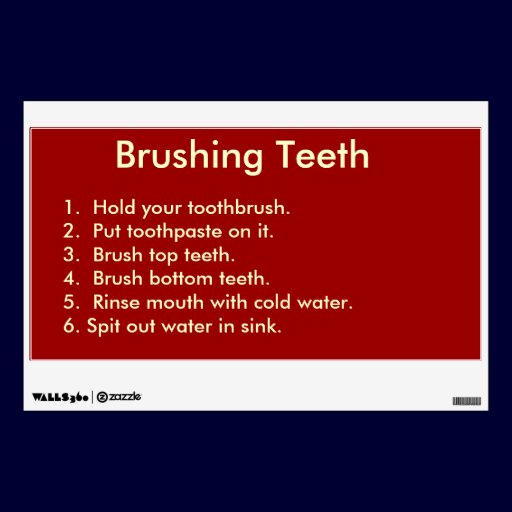
Dementia Signage for the Home
20% Off
See all our products at Dementia Signage for the Home
Saturday, October 17, 2015
How to Afford Expensive Medications on a Budget
My late husband took 16 medications a day. Some had low co-pays, and a 3-month supply was only $10 to $20. His most expensive prescription drug was Revatio, which required a co-pay of $1,250 for a 3-month supply. The middle-ground co-pays were on average $300 for a 3-monty supply. The total expense was staggering, and only a fraction of his total medical expenses. I managed to buy all of the drugs he needed, but I had to use a variety of methods to do so.
One word of caution, though. When buying meds from multiple sources it’s imperative that you keep an up-to-date, comprehensive drug and supplement list for the patient. I found this was easiest to do electronically, updating a Word document whenever his medications or supplements changed, and saving a copy of each date’s list. I printed a copy of this list and took it to every doctor's appointment, ER visit or therapy session. I also had the pharmacist at the local pharmacy where I filled my husband’s narcotic prescriptions look at it from time to time to be sure there were no conflicts between his meds. The easiest path is to apply for Extra Help through Medicare. To qualify for the Extra Help, a person must be receiving Medicare, have limited resources and income, and reside in one of the 50 states or the District of Columbia. In 2015, you may qualify if you have $17,655 or less in yearly income ($23,895 for a married couple) and $13,640 or less in resources ($27,250 for a married couple). You can apply for the benefit at any time your income and resources change. In 2015, drug costs for most people who qualify are no more than $2.65 for each generic and $6.60 for each brand-name covered drug. (In 2016, costs are no more than $2.95 for each generic and $7.40 for each brand-name covered drug.) You can apply for Extra Help online here, or you can call Social Security at 1-800-772-1213 (TTY 1-800-325-0778) to apply over the phone or to request an application. You can also apply in person at your local Social Security office. There are state programs to assist with your drug costs as well. Contact your state government for information on Medicare Savings Programs (MSP)—programs in your state that help pay your Medicare premiums, your Medicare Part A (hospital insurance) and Medicare Part B (medical insurance) deductibles, coinsurance, and copayments, and Medicare prescription drug coverage costs. Some pharmaceutical companies offer assistance programs for the drugs they manufacture. To see if your drug’s manufacturer has an assistance program, visit this site or check out AgingCare's comprehensive Prescription Drug Assistance Program Locator. There are non-profits that can help uninsured people with their prescription drug costs. One such organization is SCBN Prescription Advocacy. Another option is RXOutreach. There’s still hope, even if you don’t qualify for an assistance program. Discount warehouses such as BJ’s and Costco consistently offer the lowest prices on drugs. And you don’t have to be a member to shop at their drug stores. You can also negotiate for a lower price with some local, privately-owned drug stores. Don’t be shy about calling around and asking for a lower price on your medication! There are prescription drug discount cards available at low or no cost, but it’s hit or miss on whether the discounts offered will help with your particular med needs. Still, it’s worth looking into. A savings card just might provide significant discounts on the drugs you need.
And finally, if none of these options are working for you, you can do what many Americans do, and buy your drugs from Canada. I had to resort to this for some of my late husband’s more expensive drugs. The Revatio I mentioned earlier in this blog cost me $550 for a three-month supply when ordered from a Canadian pharmacy, as opposed to the $1,250 co-pay through his Medicare Advantage plan. I bought the generic, and, according to his cardiologist, it was as effective as the brand name. Your first order can take a few weeks to process, so plan ahead if you want to use this option. Ask your doctor if samples are available to use while you wait for your order to be processed.
Another option is to get two prescriptions; one for a one month’s supply at a local pharmacy and one to mail to the Canadian pharmacy. Some pharmacies will expedite your order for a slight surcharge, sometimes as low as $10. Different pharmacies offer different prices for the same meds, but you can compare prices on PharmacyChecker. This site checks the safety credentials of the online pharmacies they feature and provides online pharmacy ratings to protect American consumers. PharmacyChecker has been recommended by AARP, CBS, The New York Times, NPR, The People's Pharmacy, and more.



















And finally, if none of these options are working for you, you can do what many Americans do, and buy your drugs from Canada. I had to resort to this for some of my late husband’s more expensive drugs. The Revatio I mentioned earlier in this blog cost me $550 for a three-month supply when ordered from a Canadian pharmacy, as opposed to the $1,250 co-pay through his Medicare Advantage plan. I bought the generic, and, according to his cardiologist, it was as effective as the brand name. Your first order can take a few weeks to process, so plan ahead if you want to use this option. Ask your doctor if samples are available to use while you wait for your order to be processed.
Another option is to get two prescriptions; one for a one month’s supply at a local pharmacy and one to mail to the Canadian pharmacy. Some pharmacies will expedite your order for a slight surcharge, sometimes as low as $10. Different pharmacies offer different prices for the same meds, but you can compare prices on PharmacyChecker. This site checks the safety credentials of the online pharmacies they feature and provides online pharmacy ratings to protect American consumers. PharmacyChecker has been recommended by AARP, CBS, The New York Times, NPR, The People's Pharmacy, and more.
Dementia Signage for the Home
20% Off
See all our products at Dementia Signage for the Home
Subscribe to:
Posts (Atom)